
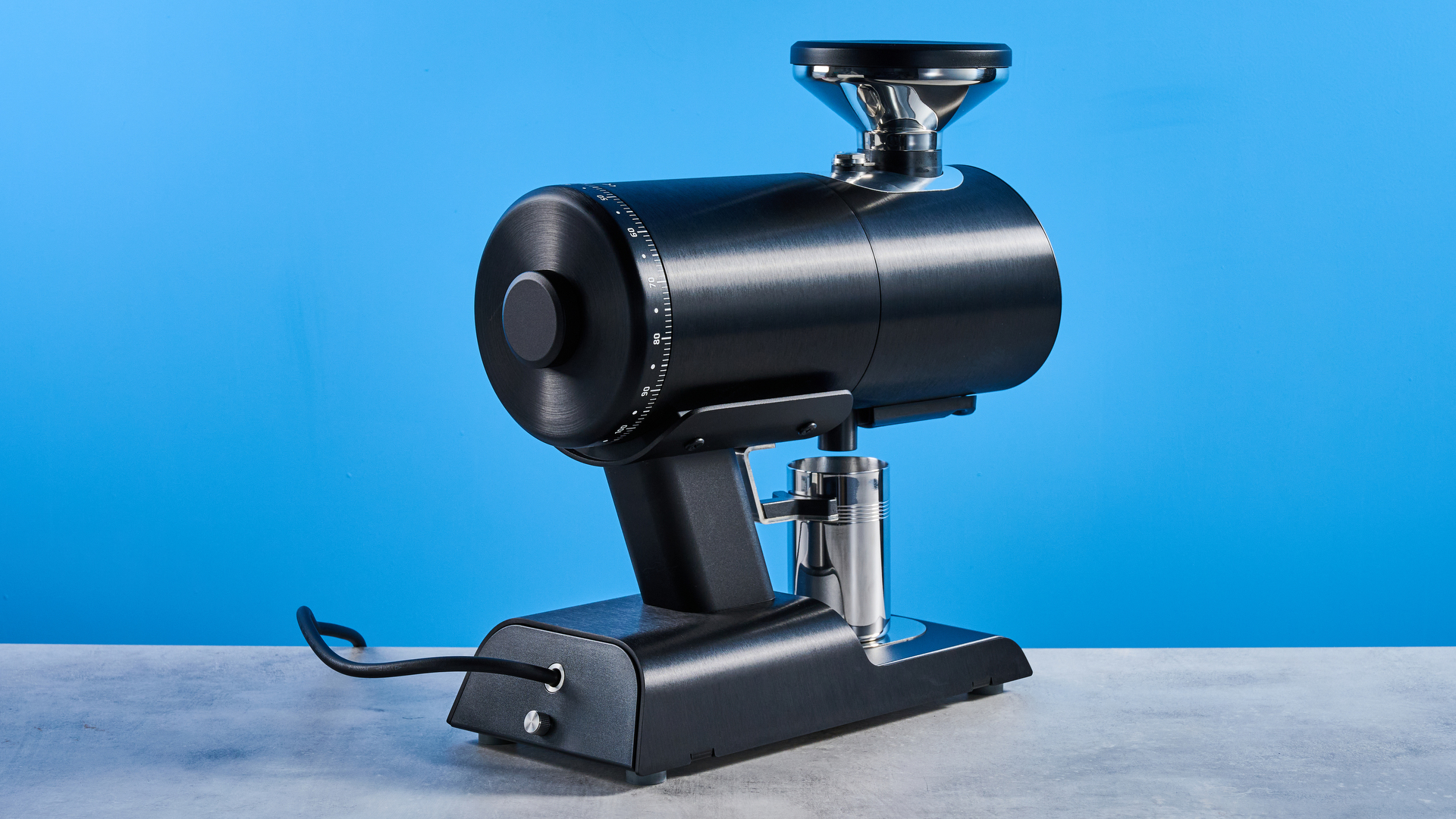
Let's take a closer look at the five best espresso grinders of 2026
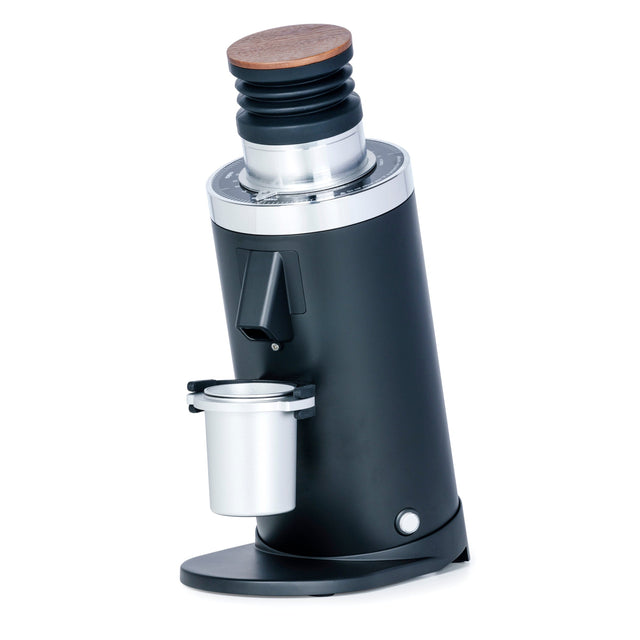
DF64 Gen 2
The DF64 Gen 2 is my top pick because it lands in the rare spot where espresso performance, upgrade potential, and price all make sense. It is a single dose flat burr grinder built around 64mm burrs, with stepless grind adjustment, a bellows workflow, a metal dosing cup, and the plasma generator many owners wanted to reduce static and mess.
What I like most is that the DF64 does not trap you. Use the stock burrs and it is already a capable grinder for espresso. Later, if your taste moves toward lighter roasts, higher clarity, or different burr geometry, the 64mm platform gives you a real upgrade path. That matters more than an ornamental touchscreen.
Pros
- Best performance-per-dollar pick for a serious home espresso setup.
- Flat burr grinders can deliver more clarity than many conical burr grinders.
- Single-dose design suits people who switch coffee beans often.
Cons
- It asks for more puck prep discipline than a beginner appliance grinder.
- Single dosing is slower than leaving beans in a hopper.
- Different retailers and versions can make specs feel confusing.
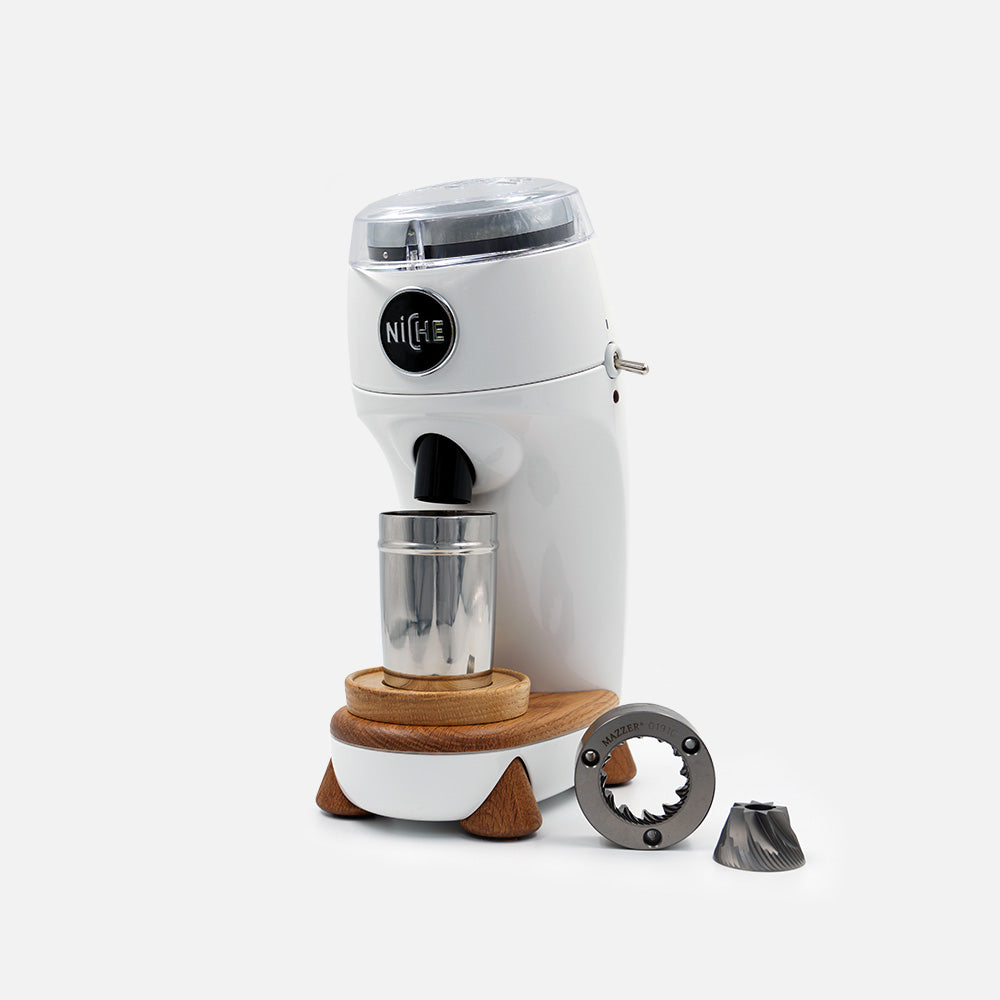
Niche Zero
The Niche Zero remains one of the easiest espresso grinders to recommend because it feels designed by someone who actually makes coffee before they answer email. The 63mm conical Mazzer burr set, compact single dose body, simple adjustment collar, and tidy cup-to-portafilter routine make it unusually pleasant to use every morning.
It does not chase the sharpest flat burr clarity. Instead, it gives espresso body, sweetness, forgiving dialing, and lower retention simplicity. When I read long-term owner comments, the pattern is not hype so much as contentment: people like the taste, the quiet workflow, and the lack of daily friction.
Pros
- Beautifully simple workflow for daily espresso.
- Conical burr profile is forgiving and full-bodied.
- Excellent fit for home baristas who value low mess and repeatability.
Cons
- Not the best choice if you want maximum light-roast clarity.
- Import pricing and availability can shift.
- No timed hopper workflow for households that want push-button dosing.
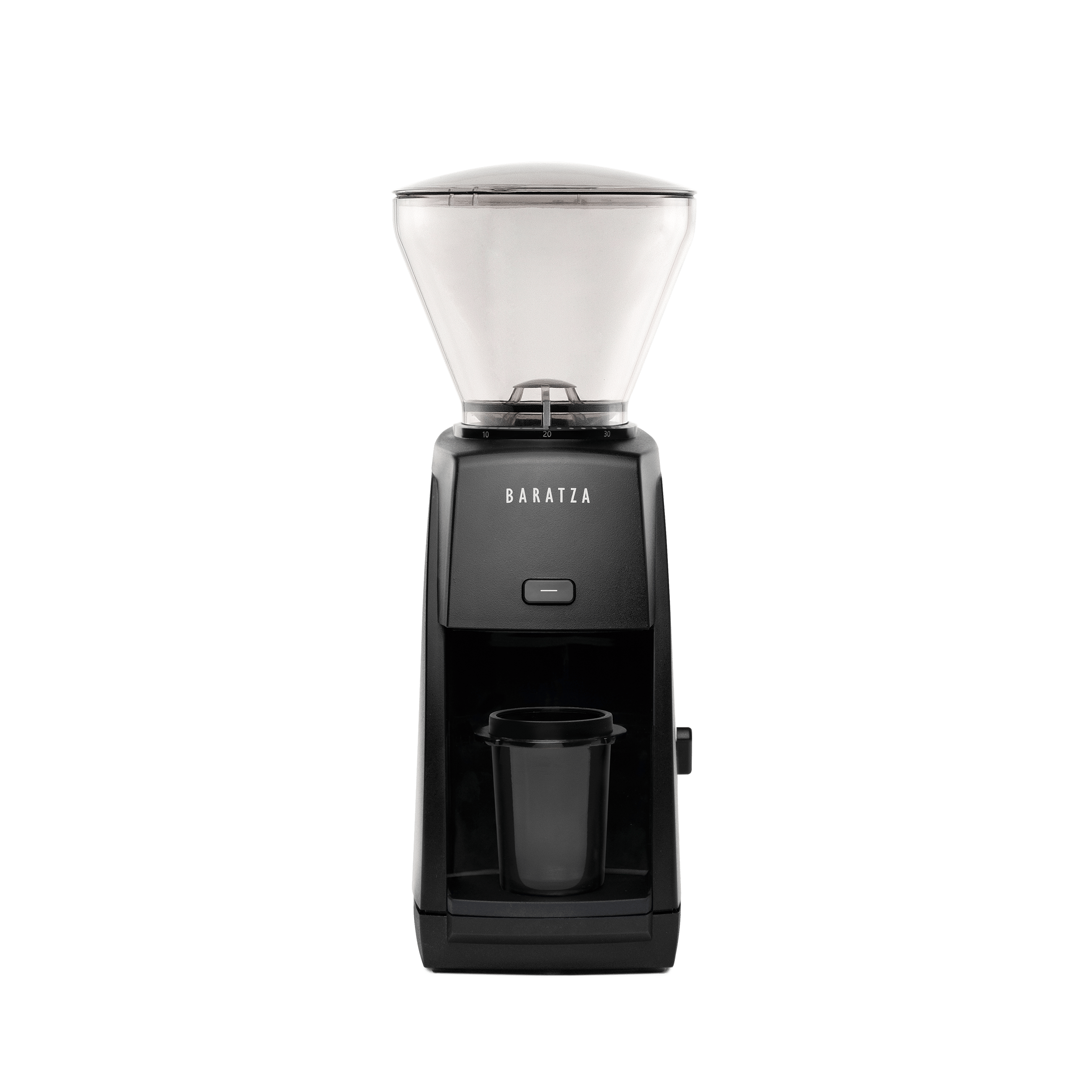
Baratza Encore ESP
The Baratza Encore ESP is the grinder I would tell a new home barista to buy before they spend more on an espresso machine. Baratza built it around 40 grind settings, with the lower range tuned for espresso and the upper range left broad enough for drip, pour over coffee, and cold brew. It also uses the M2 conical burr and a quick-release burr design that makes cleaning less intimidating.
It is not as refined as the DF64 or Niche Zero, but it is honest. It gives beginners a real path into espresso without making them learn stepless adjustment, bellows retention, burr alignment, or aftermarket burr theory on day one. Baratza's parts and repair culture are also a genuine advantage in a category full of disposable-looking machines.
Pros
- Best starter espresso grinder I would actually recommend.
- Clear espresso range and useful multi-method range.
- Strong parts availability compared with many budget grinders.
Cons
- Stepped adjustment is less precise than stepless grinders.
- Not the quietest or most premium-feeling coffee grinder.
- Light roast espresso can expose its limits.
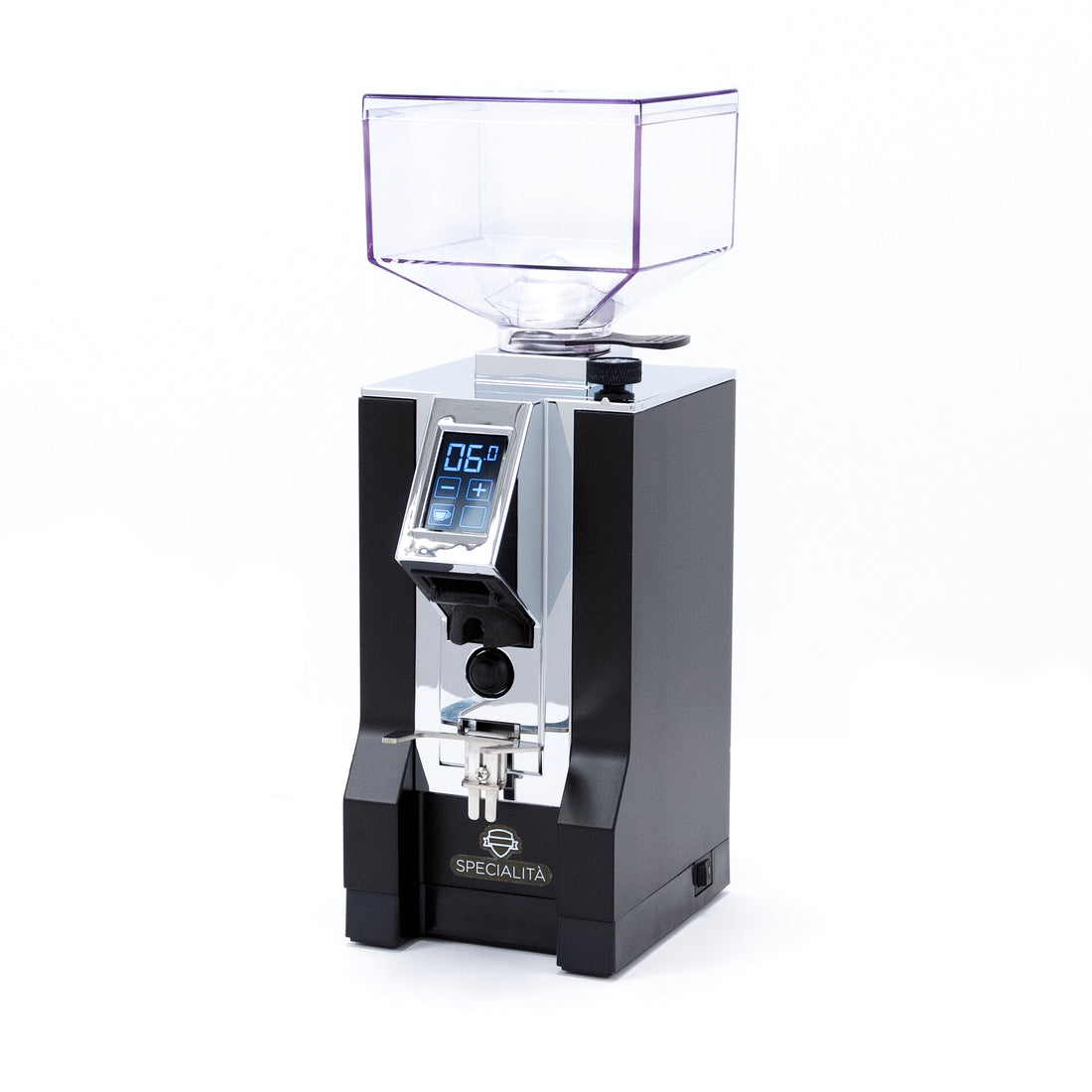
Eureka Mignon Specialita
The Eureka Mignon Specialita is for the person who does not want every morning to become a single dose ceremony. It is compact, quiet, fast, and built around 55mm flat burrs with timed dosing from a hopper. If you usually drink the same coffee beans for a week or two at a time, that workflow can be much nicer than weighing every dose before grinding.
The Specialita is also one of the better examples of why hopper grinders still matter. A lower retention single dose grinder is great for variety. A quiet timed grinder is great when two people need cappuccinos before work. The Eureka gives up some bean-switching flexibility, but it gains speed and domestic peace.
Pros
- Excellent everyday hopper workflow for espresso drinkers.
- Quiet compared with many home espresso grinders.
- Compact enough for kitchens where counter space matters.
Cons
- Dialing can be fiddly because the adjustment knob is very sensitive.
- Not ideal for frequent bean switching.
- Cleaning and retention workflow are less simple than true single dose grinders.
Mazzer Philos
The Mazzer Philos is the grinder I would buy if I wanted a premium flat burr machine from a company with deep commercial grinder history, but I did not want a huge cafe grinder on my counter. It uses a 64mm Mazzer burr platform, a low-rpm motor, single dose architecture, and a more polished adjustment and finishing workflow than many enthusiast grinders.
I am ranking it fifth, not because it is weak, but because the price narrows the audience. If you are still learning espresso, the DF64 or Niche Zero gives you more practical runway. If you already know you love clean, separated espresso and want a more refined object, the Philos starts to make sense.
Pros
- Excellent build quality and thoughtful single dose workflow.
- Flat burr clarity without the rough edges of cheaper enthusiast grinders.
- Mazzer's grinder experience matters for long-term ownership.
Cons
- Too expensive to be the first grinder for most home baristas.
- Large enough that small counters should be measured first.
- Not as obvious a value as the DF64 Gen 2.
How we chose the best coffee grinders
I started with one rule: the grinder had to make sense for real espresso, not just coffee in general. That eliminated blade grinders immediately, and it also kept brew-first grinders out of the top five. A Fellow Ode Gen 2 can be wonderful for pour over coffee, but it is not the grinder I would buy for espresso. A Timemore Chestnut C3 can be useful for travel and cold brew, but it is not the best daily espresso tool for most people.
From there, I weighed burr type, adjustment precision, grind consistency, dosing workflow, retention, noise, parts availability, owner-reported reliability, and taste results across different coffee beans. I also considered how each grinder pairs with common espresso machines. A Baratza Encore ESP makes sense beside a Bambino or Gaggia Classic. A DF64 Gen 2 or Niche Zero fits well beside a prosumer machine. A Mazzer Philos deserves a setup where the owner can actually taste what the grinder is doing.
How to choose the right grinder for your espresso
Choose based on burr type
Flat burr grinders often emphasize clarity, separation, and a cleaner finish. Conical burr grinders often emphasize body, texture, and forgiving extraction. That is an oversimplification, but it is useful. If you drink light roast espresso and want flavor separation, look closely at flat burrs. If you want syrupy medium-roast shots and easier dialing, a conical burr grinder like the Niche Zero can feel more generous.
Burr size matters, too, but it is not a magic number. A 64mm burr set can be excellent, which is why the DF64 Gen 2 and Mazzer Philos both made this list. A smaller burr set can still be good if the adjustment system, motor, alignment, and burr geometry are well matched. The Baratza Encore ESP does not pretend to be a premium flat burr grinder, but its 40mm conical burr and espresso-focused lower range are coherent for the price.
Choose based on dosing and workflow
Single-dose grinders are best when you switch coffee beans often, weigh each dose, and want low retention. Hopper grinders are better when you use one coffee for a while, make drinks for multiple people, and want faster timed dosing. Neither workflow is morally superior. The best espresso grinder is the one you will use accurately when you are tired.
A single dose workflow usually looks like this: weigh 18 grams of beans, grind into a dosing cup, transfer into the portafilter, distribute, tamp, and pull the shot. A hopper workflow usually looks like this: leave beans in the hopper, press a timed dose, make a small adjustment when the coffee ages, and keep moving. If you love changing beans every day, buy single dose. If your household drinks the same blend every morning, a hopper grinder can be the more humane choice.
Choose based on serviceability
I care about parts. Burrs wear. Chutes clog. Adjustment collars need cleaning. Motors should be supported by someone who can actually help. Baratza is unusually strong here at the budget end, while Eureka, Niche, Mazzer, and DF64 retailers all have different support ecosystems. Before buying, check whether burrs, hoppers, bellows, dosing cups, and small parts are easy to source in your country.
What to look for in a burr grinder
Espresso grinder spec sheets can feel dense, so here is how I read them. Burr type tells you the broad flavor direction. Flat burrs often lean cleaner and more separated. Conical burrs often lean sweeter, heavier, and more forgiving. Burr size tells you something about grinding speed, heat, and upgrade potential, but it does not tell the whole story. A well-designed 40mm grinder can be better than a sloppy larger grinder.
Adjustment range is crucial. Espresso needs tiny changes. If a grinder has wide steps, one setting may run too fast and the next may choke the machine. That is why stepless grinders are so common in serious espresso setups. Stepped grinders can still work, but the steps need to be concentrated where espresso lives. That is the entire point of the Encore ESP: the lower settings are tighter for espresso, while the upper settings remain broad enough for other coffee methods.
Retention is another practical spec. If a grinder holds on to old grounds, your next shot includes stale coffee. Single-dose grinders try to reduce retention with short grind paths, bellows, dosing cups, and vertical burr chambers. Hopper grinders accept some retention in exchange for speed and convenience. If you use one coffee every day, retention matters less. If you switch beans often, it matters a lot.
Noise is not just a comfort issue. A loud grinder changes whether you actually want to make espresso at 6:30 in the morning. This is one reason the Eureka Mignon Specialita has survived so long in home kitchens. It is compact, relatively quiet, and quick enough that grinding coffee does not become a household event.
Quick specs by grinder
The DF64 Gen 2 is the best espresso grinder here for people who want a serious flat burr platform at a rational price. Look for 64mm flat burrs, stepless adjustment, single dose architecture, bellows, a dosing cup, and a design that supports future burr changes. It is the grinder I would pair with a machine you plan to keep upgrading around.
The Niche Zero is the best coffee grinder here for someone who wants a soft landing into premium espresso. Look for 63mm conical burrs, lower retention single dosing, a simple grind collar, and a workflow that moves cleanly from dose cup to portafilter. It is not trying to be the sharpest light-roast grinder; it is trying to make repeatable espresso pleasant.
The Baratza Encore ESP is the best budget grinder for espresso because it is built around accessible ownership. Look for 40 settings, a 40mm M2 conical burr, a quick-release burr system, and a dosing cup that helps with portafilter transfer. It is not the most refined grinder for espresso, but it is the one I trust most for a beginner who needs support.
The Eureka Mignon Specialita is the best hopper-fed espresso grinder in this list. Look for 55mm flat burrs, timed dosing, a compact case, and a quiet grinding system. The adjustment dial is sensitive, which can frustrate beginners, but once dialed in it is a dependable routine grinder for espresso drinkers who stay on one coffee.
The Mazzer Philos is the premium option for people who want a serious grinder with a more refined object feel. Look for a 64mm Mazzer burr platform, single dose design, low-rpm grinding, careful grind finishing, and commercial-brand heritage. It is the grinder I would buy after I knew my taste preferences, not before.
How these grinders taste in the cup
Taste is where grinder reviews get slippery, because beans, roast level, water, puck prep, and espresso machine temperature all change the result. Still, patterns show up. The DF64 Gen 2, with its flat burr platform, tends to suit people who want clearer flavor separation and a more modern espresso style. If you like washed coffees, lighter roasts, and shots where citrus, florals, chocolate, and acidity remain distinct, it is the grinder in this list with the most obvious growth path.
The Niche Zero is more about body and sweetness. It is the grinder I associate with rich medium-roast espresso, chocolate-forward blends, and cappuccinos that taste round instead of sharp. It can grind for pour over coffee, but I think of it first as an espresso grinder for people who want fewer bad shots and less adjustment anxiety.
The Baratza Encore ESP is more limited, but that limitation can be healthy for beginners. It gives enough precision to learn real espresso without forcing a new home barista to think about burr swaps, marker alignment, or grind chamber geometry. Shots will not have the polish of the Mazzer Philos or the openness of a carefully tuned DF64, but they can absolutely be balanced and enjoyable.
The Eureka Mignon Specialita tastes like a good compact flat burr grinder with a daily routine built around repeatability. It is not the cleanest single dose platform, but it is quick, consistent, and easy to keep on one coffee. The Mazzer Philos is the most refined flat burr option here: cleaner, quieter in presentation, more composed, and more expensive. If the DF64 is the enthusiast value pick, the Philos is the polished version for someone who already knows what they want.
Best grinder pairings by espresso machine level
If you own an entry level espresso machine such as a Breville Bambino, Bambino Plus, Gaggia Classic, De'Longhi Dedica, or Casabrews machine, I would start with the Baratza Encore ESP or DF64 Gen 2. The Encore ESP keeps the budget sane and leaves room for a scale, better basket, and fresh beans. The DF64 Gen 2 gives you a grinder that can stay when you upgrade the machine later.
If you own a prosumer machine such as a Profitec Go, Rancilio Silvia Pro X, Lelit Elizabeth, Breville Dual Boiler, ECM, Rocket, or Lelit Bianca, I would look first at the DF64 Gen 2, Niche Zero, or Eureka Mignon Specialita. These grinders are good enough that the machine, water, and puck prep become the next bottlenecks. The Niche is especially friendly if your espresso routine includes milk drinks and medium roasts. The Eureka is especially useful if you want timed dosing without turning every drink into a ritual.
If you own a premium dual boiler or a machine such as a La Marzocco Linea Micra, Profitec Drive, Decent, Synesso, or Slayer-style home setup, the Mazzer Philos starts to make more sense. You do not need it to make excellent espresso, but a premium machine deserves a grinder that can reveal subtle changes in beans and extraction. At that level, grinder noise, retention, burr quality, adjustment feel, and serviceability all become part of the ownership experience.
Other coffee grinders we like
Notable alternatives worth knowing
Several grinders narrowly missed the ranked list, including the DF54, Fellow Opus, Fellow Ode Gen 2, Breville Smart Grinder Pro, 1Zpresso K-Max, and Timemore Chestnut C3. I kept them out of the top five when they felt more brew-focused, less proven for espresso, or less compelling than the picks above for an espresso-first setup.
That distinction matters. Some coffee grinders are excellent for pour over coffee, some are convenient for cold brew and drip, and some are true grinders for espresso. My final five are espresso-first recommendations. The grinders below are either runners-up, alternate budget options, manual grinder options, or brew-first machines that people often confuse with espresso grinders.
Baratza Encore ESP Pro search note
Many search results and shoppers use the phrase Baratza Encore ESP Pro, but the common product name is Baratza Encore ESP. I ranked the Encore ESP third because it is the most honest budget grinder for espresso in this guide. Its key specs are straightforward: conical burr grinder, 40 grind settings, espresso-focused lower adjustment range, dosing cup support, and a repair-friendly brand ecosystem.
It pairs well with entry espresso machines because it avoids the two beginner traps: blade grinder inconsistency and brew only grinder coarseness. I would not call it a precise home espresso grinder in the same class as the DF64 Gen 2, but for the price it does the job cleanly.
DF54 Flat-Burr Single-Dose
The DF54 is the best flat burr grinders value challenger I considered. It brings a single dose workflow, flat burr clarity, and espresso-focused adjustment to a lower price than the DF64 Gen 2. For a budget-limited buyer who wants flat burrs more than a larger upgrade platform, it is a very interesting coffee grinder.
I kept the DF64 Gen 2 above it because a 64mm burr platform gives more room to grow. The DF54 deserves attention, but the DF64 is the more flexible long-term recommendation for a home barista who may upgrade burrs, espresso machines, and coffee beans over time.
The best coffee grinder overall: Fellow Opus
The Fellow Opus is a handsome, versatile conical burr grinder for households that grind coffee beans for espresso, pour over coffee, drip, and cold brew. Its appeal is obvious: approachable price, clean design, broad grind range, and a small footprint. If someone asked for one grinder to live beside a kettle and an entry espresso machine, I would understand the choice.
I did not rank it because this guide is espresso first. The Opus can grind fine enough for espresso, but dialing with the inner and outer adjustment system is less intuitive than the best dedicated espresso grinders. If your espresso machine is the center of the kitchen, I would rather put the same money toward the Baratza Encore ESP or stretch to a DF64.
The best grinder exclusively for coffee: Fellow Ode Gen 2
The Fellow Ode Gen 2 is a very good brew grinder. It is one of the easiest grinders to recommend for pour over coffee, drip, and general filter clarity. It has flat burrs, a pleasant countertop presence, and a workflow that suits people who brew coffee rather than pull shots.
It is not an espresso grinder. That is not an insult; it is a category distinction. If you mostly drink filter coffee and only occasionally think about espresso, the Ode Gen 2 may be a better buy than anything on this list. If you are searching for the best espresso grinder, it belongs in the conversation as a warning label: not every excellent coffee grinder is built for espresso.
Best grinder for Breville owners: Breville Smart Grinder Pro
The Breville Smart Grinder Pro is popular because it fits the Breville ecosystem. It has a clear interface, timed dosing, a hopper workflow, and broad availability. For someone buying a Barista Express, Infuser, Bambino, or Breville Dual Boiler, it feels familiar and tidy.
The reason I did not rank it is that the espresso grinder market has moved. The Baratza Encore ESP is a stronger budget espresso recommendation to me, and the DF64 Gen 2 is a much stronger enthusiast value once the budget stretches. The Smart Grinder Pro still makes sense for convenience-focused Breville owners, but I would not call it one of the five best espresso grinders now.
The best handheld coffee grinder: 1Zpresso K-Max and other manual grinders
A high-quality manual grinder can produce excellent espresso. The best ones have precise adjustment, sturdy burrs, and enough leverage to grind fine without feeling like a punishment. The 1Zpresso K-Max and related models are popular because they are portable, durable, and capable across brew methods.
I did not rank a manual grinder because most home espresso drinkers eventually want an electric grinder. Grinding one shot by hand can be pleasant. Grinding two cappuccinos before work is a different story. If you travel, brew outdoors, or want a quiet backup grinder, a manual grinder deserves a look. For a primary home espresso setup, I would still choose electric.
Timemore Chestnut C3
The Timemore Chestnut C3 is a useful portable grinder for travel, Aeropress, moka pot, pour over, and casual brewing. It is affordable, compact, and much better than a blade grinder. I like it as a coffee tool.
I do not like it as a primary espresso grinder. Espresso asks too much precision, too much repeatability, and too much fine grinding from a travel-oriented hand grinder. It belongs in a travel kit, not as the main grinder beside a serious espresso machine.
Coffee grinders we don't recommend
Blade grinder and manual grinder notes
A blade grinder is not a serious grinder for espresso. It chops coffee beans into uneven pieces, which creates uneven extraction: sourness, bitterness, channeling, and muddy body in the same shot. I would use a blade grinder for spice grinding before I would use it to dial espresso. It can be acceptable for cold brew in a pinch because cold brew is more forgiving, but it does not belong beside a real espresso machine.
Manual grinders are a different story. A good manual grinder can make excellent espresso, and brands such as 1Zpresso have earned strong owner followings for portable, precise grinding. I did not put a manual grinder in the top five because this guide is aimed at everyday home espresso workflow. Hand grinding for espresso can be satisfying, but it gets old quickly if you make multiple drinks.
Do you need a separate grinder for espresso?
If you care about consistent shots, yes. Espresso needs finer, more precise adjustment than drip coffee or cold brew. Multi-purpose grinders can work, but the more you move between espresso and brew, the more you will fight retention, calibration, and repeatability. A separate grinder for espresso becomes essential when your coffee starts tasting different because of workflow, not because of beans.
This is where many beginners get stuck. They buy one coffee grinder and ask it to handle espresso, pour over coffee, drip, French press, moka pot, and cold brew. Technically, some grinders can do that. Practically, it is annoying. Moving from espresso fine to coarse cold brew and back again wastes coffee, changes retention, and makes the next morning's shot less predictable. If espresso is your daily drink, leave one grinder set up for espresso.
Espresso grinder mistakes I see constantly
The first mistake is buying an expensive machine before buying a capable grinder. A weak grinder will make a beautiful machine taste average. If the grounds are inconsistent, water will find easy channels through the puck and leave other coffee under-extracted. That is how you get a shot that tastes sour, bitter, thin, and muddy at the same time.
The second mistake is using old coffee beans and blaming the grinder. Fresh coffee matters. Espresso is especially sensitive because the grind is fine and extraction is intense. If your beans are stale, the grinder can still produce consistent particles, but the shot will lack aroma and structure. I like buying smaller bags more often, especially while dialing in a new grinder.
The third mistake is ignoring puck prep. A great burr grinder can still produce a bad shot if grounds are clumped, unevenly distributed, or tamped at an angle. This is why dosing cups, WDT tools, tampers, and baskets matter. They are not as glamorous as a new grinder, but they help turn grind consistency into extraction consistency.
The fourth mistake is chasing a recipe without tasting. Espresso recipes are starting points. If your shot runs in 28 seconds but tastes hollow, change something. If it runs in 35 seconds and tastes balanced, do not panic because a forum told you 30 seconds is law. The grinder gives you control; your palate has to decide what to do with it.
Why the grinder matters more than the machine
An espresso machine controls pressure, water, and temperature. The grinder controls how that water moves through coffee. If the grind is inconsistent, the machine extracts some particles too quickly and others too slowly. You get sour and bitter flavors tangled together. A better machine cannot fix that. A better grinder can make a modest machine taste suddenly competent.
That is why I would rather pair a Baratza Encore ESP or DF64 Gen 2 with a sensible entry machine than pair a luxury dual boiler with a weak grinder. The grinder is the flavor gatekeeper.
My ranking if you brew more than espresso
If you make espresso every day but also grind for pour over coffee, the DF64 Gen 2 stays at the top because it is flexible and upgradeable. The Niche Zero comes next because it can grind for multiple methods even though I prefer it as an espresso-first conical grinder. The Baratza Encore ESP is also practical for mixed households because its wider upper range handles drip and cold brew better than many espresso-only grinders.
If you mostly brew pour over coffee and only occasionally pull espresso, I would change the list. I would consider the Fellow Ode Gen 2 for brew only clarity and the Fellow Opus for a lower-cost all-rounder. That is why keyword intent matters. The phrase best coffee grinder is not identical to best espresso grinder. For this page, espresso wins every tie.
How I think about price
Under $250, I want support and a real espresso range. That is why the Baratza Encore ESP beats many cheaper Amazon grinders for me. It is not perfect, but it is designed for actual espresso learning. Around $400 to $700, I want a grinder that can stay with you after a machine upgrade. That is where the DF64 Gen 2, Niche Zero, and Eureka Mignon Specialita live.
Above $900, I want refinement, not just bigger numbers. A premium grinder should feel better, sound better, align better, clean more easily, and produce a cup that justifies its place. The Mazzer Philos belongs in that conversation. A more expensive grinder should not merely be heavier; it should make the whole espresso routine calmer and more precise.
Coffee grinder terms I check before buying
A good coffee grinder should make repeatable coffee, not just fine powder. When I compare coffee grinders, I start with the burrs. Steel burrs can be sharp, durable, and consistent. Larger burrs can grind faster and generate less heat, but only if the motor, alignment, and chamber are well designed. Smaller burrs can still produce good espresso when the grind setting range is precise and the grinder is backed by good parts support.
A good coffee grinder also needs good settings. Macro settings move quickly between brewing methods such as French press, drip, cold brew, and espresso. Micro adjustments help fine-tune espresso shots. A grinder for espresso needs those micro adjustments because tiny changes in grind size can change the cup. If a model offers only broad clicks, you may find that one click is too coarse and the next click is too fine. That result leads to frustration, wasted coffee beans, and inconsistent coffee grounds.
Single dose grinders and hopper grinders solve different problems. A single dose grinder lets you weigh coffee beans, grind only what you need, and keep lower retention. A hopper coffee grinder is faster when you are making several drinks with the same coffee. The good ones stay consistent, the great ones make daily brewing easier, and the poor ones make you save a few dollars up front while losing quality every morning.
Static, clumps, and clogging matter more than spec sheets admit. Static can throw ground coffee around the counter. Clumps can hurt distribution. A clogged chute can change dose weight. A brush, a clean dosing cup, and a regular cleaning routine remove old coffee grounds before they become stale. This is not glamorous, but cleaning is part of quality. A good coffee grinder should be easy to open, easy to brush, and easy to put back together.
Weight and build are useful signals. Plastic is not automatically bad, and steel is not automatically good, but a solid grinder usually feels stable while the motor is under load. Higher quality construction helps the burrs stay aligned. That alignment produces more uniform grounds, better grind consistency, and better flavor clarity. In high end grinders, I expect the power delivery, dial feel, timer, cup fit, and cleaning access to feel considered, not just expensive.
Different roast types also need different expectations. Dark roasts are easier to grind fine and usually make forgiving espresso. Medium roasts are where many home baristas find their balance of body and flavor. Lighter roasts need more precision, more heat stability, and often finer adjustments. If you love lighter roasts, choose a coffee grinder with precise settings and burrs that produce clarity. If you mostly drink dark roasts in milk, a good conical burr grinder may be more satisfying than a sharper flat burr grinder.
Some popular grinder names are worth knowing even when they do not make my final five. The Baratza Virtuoso and Virtuoso Plus are solid brew grinder options, but I would not put them ahead of the Encore ESP for espresso. The Baratza Sette 270 is fast and espresso capable, but it is louder and more divisive than I want for this specific list. OXO makes approachable coffee grinder options for drip coffee users, but OXO is not where I would send someone searching for the best espresso grinder.
The point is not to memorize every model. The point is to understand what each coffee grinder is designed to do. A good brew grinder is not always a good espresso grinder. A good hand grinder is not always a good family grinder. A great single dose grinder may be annoying for someone making four milk drinks in a row. The right grinder depends on coffee, brewing methods, users, expectations, and the piece of equipment you will actually enjoy owning for years.
Final coffee grinder buying checklist
A good coffee grinder should produce good ground coffee with enough precision for the brewing method you use most. For espresso, that means the burrs need to make small, repeatable changes possible. Good burrs, good settings, good adjustment feel, and good cleaning access matter more than a pretty shell. The best coffee grinder for one kitchen may be the wrong coffee grinder for another if the workflow, brewing habits, or coffee beans are different.
Check the burrs first. Flat burrs can be good for flavor clarity, lighter roasts, and separated tasting notes. Conical burrs can be good for body, dark roasts, and forgiving espresso shots. Steel burrs are common because steel is durable, precise, and easy to source in replacement sets. Larger burrs can be faster and more uniform, but larger burrs only help when the grinder is designed around them. A solid motor, stable carrier, and precise dial are just as important as the burrs themselves.
Check the settings next. A good espresso grinder needs fine settings, micro adjustments, and a grind setting range that lets you move slowly. For French press, cold brew, and many brewing methods, coarse settings matter. For espresso, micro adjustments matter more. If a grinder offers many settings but the useful espresso settings are crowded into a tiny range, it may still be frustrating. If a grinder offers fewer settings but the espresso range is well designed, it can be easier to use.
Think about making coffee in real life. If you are making one espresso before work, a single dose grinder is great. If you are making drinks for three people, a hopper coffee grinder with a timer may save time. If you are brewing pour over coffee in the afternoon and espresso in the morning, you need a coffee grinder that can handle both without losing calibration. Depending on your brewing routine, the best coffee grinder might be the one with fewer features and better repeatability.
Look for signs of quality. A good coffee grinder produces uniform coffee grounds, keeps static controlled, and makes cleaning easy. A brush should remove old coffee grounds from the chute. The cup should fit well. The timer should be predictable. The dial should not drift. The motor should have enough power to handle lighter roasts without sounding strained. These small features lead to better grind consistency and better flavor in the cup.
Look at the ones people have owned for years. I pay attention when owners say a coffee grinder has helped them improve espresso over time. I also pay attention when a grinder clogs, produces messy static, or requires too many repairs. I reviewed tested owner reports, retailer reviews, forum threads, and long-term comments because the best products are the ones that still feel good after the first month. A great grinder is not just great on launch day; a great grinder stays useful as your coffee improves.
Finally, compare what each model includes. The DF64 Gen 2 includes a single dose workflow and flat burrs. The Niche Zero includes a simple cup workflow and conical burrs. The Baratza Encore ESP includes entry level support and repairable parts. The Eureka Mignon Specialita includes timed hopper dosing and quiet grinding. The Mazzer Philos includes high end construction and a premium burrs platform. Each coffee grinder offers benefits, but each one also cuts something away. The art is knowing which compromise you can live with.
Spec comparison: burrs, settings, and brewing fit
The DF64 Gen 2 is the coffee grinder I would choose when burrs matter most for the money. Its 64mm flat burrs give it a larger burrs platform than many entry level grinders, and those burrs make future changes possible. The settings are stepless, the adjustments are small, and the brewing fit is strongest for espresso and modern filter coffee. In tested owner reports, the good result usually comes after careful alignment, clean burrs, and patient dial work.
The Niche Zero is the coffee grinder I would choose when conical burrs and daily ease matter most. Its conical burrs produce a good body-focused cup, and those burrs are especially friendly for medium roasts and traditional espresso. The settings are intuitive, the adjustments are easy, and the brewing fit stretches from espresso to brewed coffee without making the routine feel fussy. In tested owner reports, the good result is consistency: same beans, same settings, same calm workflow.
The Baratza Encore ESP is the coffee grinder I would choose when budget and support matter most. Its burrs are smaller, but the burrs are paired with settings that make sense for espresso. The lower settings handle espresso, the upper settings handle French press, drip, cold brew, and other brewing methods. The adjustments are stepped, not stepless, but the design produces a good result for the price. In tested owner reports, the good result is not luxury; it is a good beginner path.
The Eureka Mignon Specialita is the coffee grinder I would choose when hopper brewing speed matters most. Its 55mm flat burrs are good burrs for espresso, and the timed settings make daily brewing faster. The adjustments are very sensitive, which means tiny changes can produce a different result. That sensitivity can annoy new users, but it also lets the grinder fine tune espresso once you understand the dial. In tested owner reports, the good result is quiet, repeatable making of milk drinks.
The Mazzer Philos is the coffee grinder I would choose when high end burrs, refined settings, and premium brewing precision matter most. Its 64mm Mazzer burrs are the reason to care. Those burrs, the motor, the adjustment system, and the finishing workflow are designed to produce cleaner coffee grounds and higher quality espresso. In tested owner reports and early expert coverage, the good result is a grinder that feels more mature than many enthusiast products.
Across all five, burrs are only part of the story. Burrs need alignment. Burrs need cleaning. Burrs need a motor that does not struggle. Burrs need settings that let you make real adjustments. Burrs need a user who tastes the result and changes the grind setting with intention. A coffee grinder with good burrs but poor settings can still be frustrating. A coffee grinder with good settings but weak burrs can still limit flavor. The best ones bring burrs, settings, brewing workflow, and build quality together.
Owner-tested details I would verify before checkout
When I say owner-tested, I mean patterns that show up after people have used these grinders for real brewing, not just unboxed them. I look for tested comments about burrs, tested comments about settings, tested comments about cleaning, and tested comments about making espresso every day. A good review tells me whether the burrs stay aligned, whether the settings drift, whether the grinder produces repeatable coffee, and whether the result is still good after months of brewing.
For the DF64 Gen 2, I would verify that the burrs are seated well, the burrs are easy to clean, and the burrs match the roast style you like. The good news is that 64mm burrs give you options. The hard part is that more burrs options mean more decisions. If you want a good everyday result, start with the stock burrs before changing anything. If you want a great lighter-roast result, research burrs carefully before spending more money.
For the Niche Zero, I would verify that the conical burrs match your flavor goals. The Niche produces good body, good sweetness, and good consistency for many espresso drinkers. Its settings are easy to read, and its adjustments are easy to repeat. If your brewing leans toward medium and dark roasts, the burrs are a strength. If your brewing leans toward very light roasts, the burrs may not produce the flavor clarity you want.
For the Baratza Encore ESP, I would verify that the stepped settings are precise enough for your espresso machine. The burrs are not high end burrs, but they are good burrs for an entry level grinder. The tested advantage is support: Baratza parts, Baratza service, and a simple design. The settings are not infinite, yet the lower espresso settings are useful. The result is a good grinder for making a first serious setup work.
For the Eureka Mignon Specialita, I would verify that you like hopper brewing. Its burrs are good, its settings are sensitive, and its timed dosing is useful when you are making multiple drinks. The adjustments can feel tiny, so the dial needs patience. The tested owner pattern is clear: once the settings are dialed in, the grinder is good for fast, quiet brewing with the same coffee.
For the Mazzer Philos, I would verify that you actually need premium burrs. The burrs are part of the appeal, but so are the motor, the settings, the adjustments, the cup workflow, and the way the grinder produces ground coffee. It is a great grinder for a buyer who has already tested cheaper ones and knows what is missing. It is probably too much for someone making their first espresso shots.
Which option is best for you?
Choose the DF64 Gen 2 if you want the best overall blend of espresso quality, flat burr clarity, value, and growth potential. Choose the Niche Zero if you want a calmer conical burr workflow with rich body and low friction. Choose the Baratza Encore ESP if you are starting out and want the safest budget recommendation. Choose the Eureka Mignon Specialita if you want a quiet hopper grinder for daily espresso. Choose the Mazzer Philos if you want a premium single dose flat burr grinder you can keep for years.
FAQs
What is the best espresso grinder overall?
My pick is the DF64 Gen 2. It gives most home baristas the strongest mix of espresso performance, flat burr clarity, stepless control, lower retention single dosing, and price. It is not the most polished grinder in this guide, but it is the one I would recommend most often.
What is the best budget espresso grinder?
The Baratza Encore ESP is my budget pick. It is not a luxury grinder, but it has an espresso-focused adjustment range, useful brew range, repair-friendly construction, and a brand with unusually good parts support.
Are flat burr grinders better than conical burr grinders?
Not automatically. Flat burr grinders can emphasize clarity and flavor separation, while conical burr grinders often create more body and a more forgiving espresso profile. The best choice depends on the coffee beans you like and the way you want espresso to taste.
Should I buy a Fellow Opus for espresso?
The Fellow Opus can work for mixed-method households, especially if you switch between espresso and brewed coffee. I did not rank it in the top five because this page is focused on espresso first. For dedicated espresso, I would rather buy a Baratza Encore ESP at the budget end or step up to the DF64 Gen 2.
Is the Niche Zero still worth it?
Yes, if you value workflow as much as clarity. It remains one of the nicest home espresso grinders to live with, especially if you enjoy medium roasts, full-bodied espresso, and a simple single dose routine.