
Let's take a closer look at the five best dual boiler espresso machines of 2026
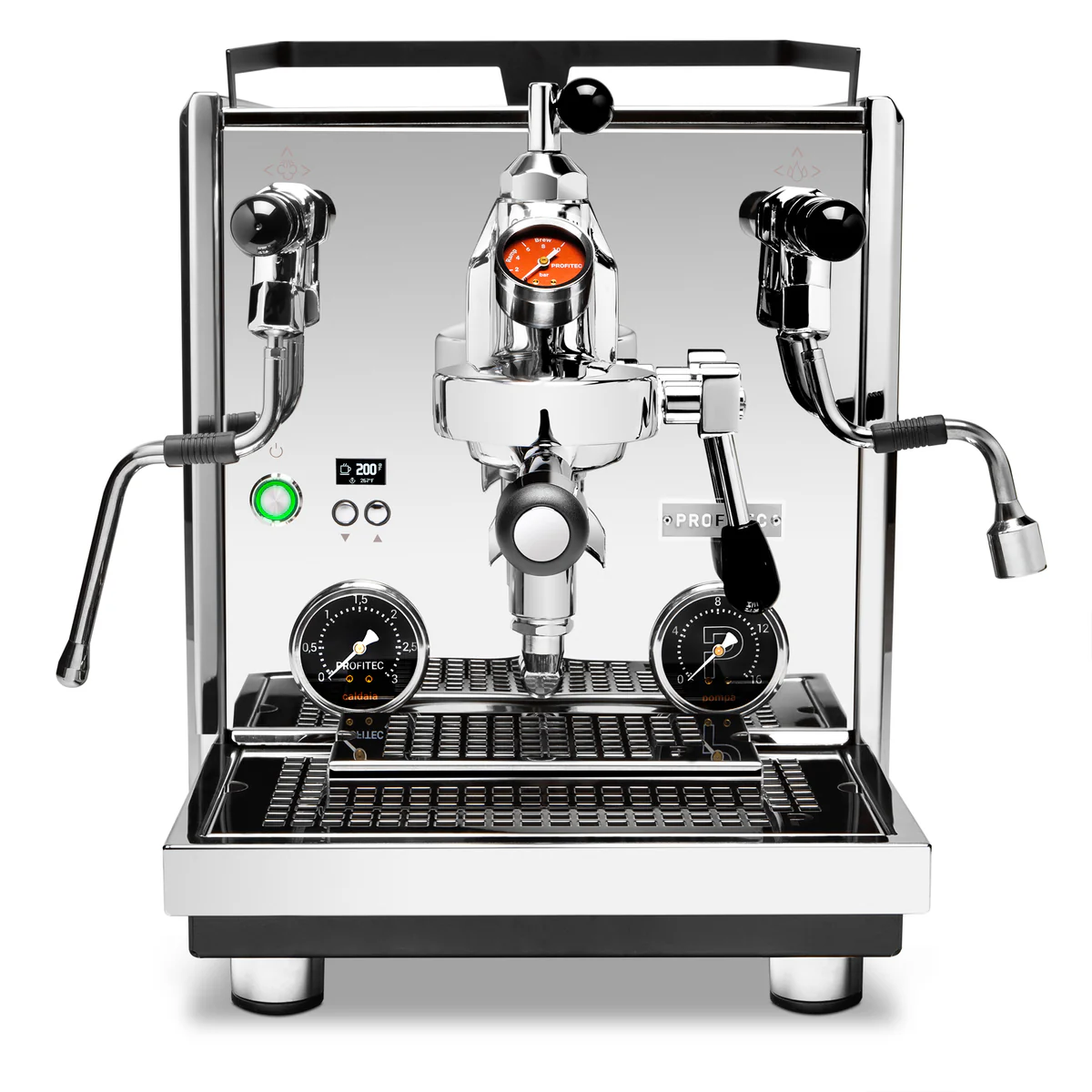
Profitec Drive
The Profitec Drive is my top overall pick because it feels like a modern prosumer machine rather than a nostalgic one. You get a rotary pump, tank or plumbed operation, PID control for both boilers, a stock flow profile valve, programmable heat behavior, and a 0.75L brew boiler paired with a 2.0L steam boiler on retailer specs.
It is not cheap, but it earns its place by solving real daily problems: heat-up time, repeatability, quiet pressure, milk power, and serviceable construction. If I were buying one serious dual boiler espresso machine to keep for years, this is where I would start.
Pros
- Excellent control over brew temperature, flow, and pre-infusion.
- Quiet rotary pump and plumb-in option make it feel genuinely premium.
- Strong steam boiler capacity for back-to-back milk drinks.
Cons
- Higher price than Breville, Rancilio, and many heat exchanger machines.
- Flow control is powerful, but it adds another variable to learn.
- Large enough that small kitchens should measure carefully.
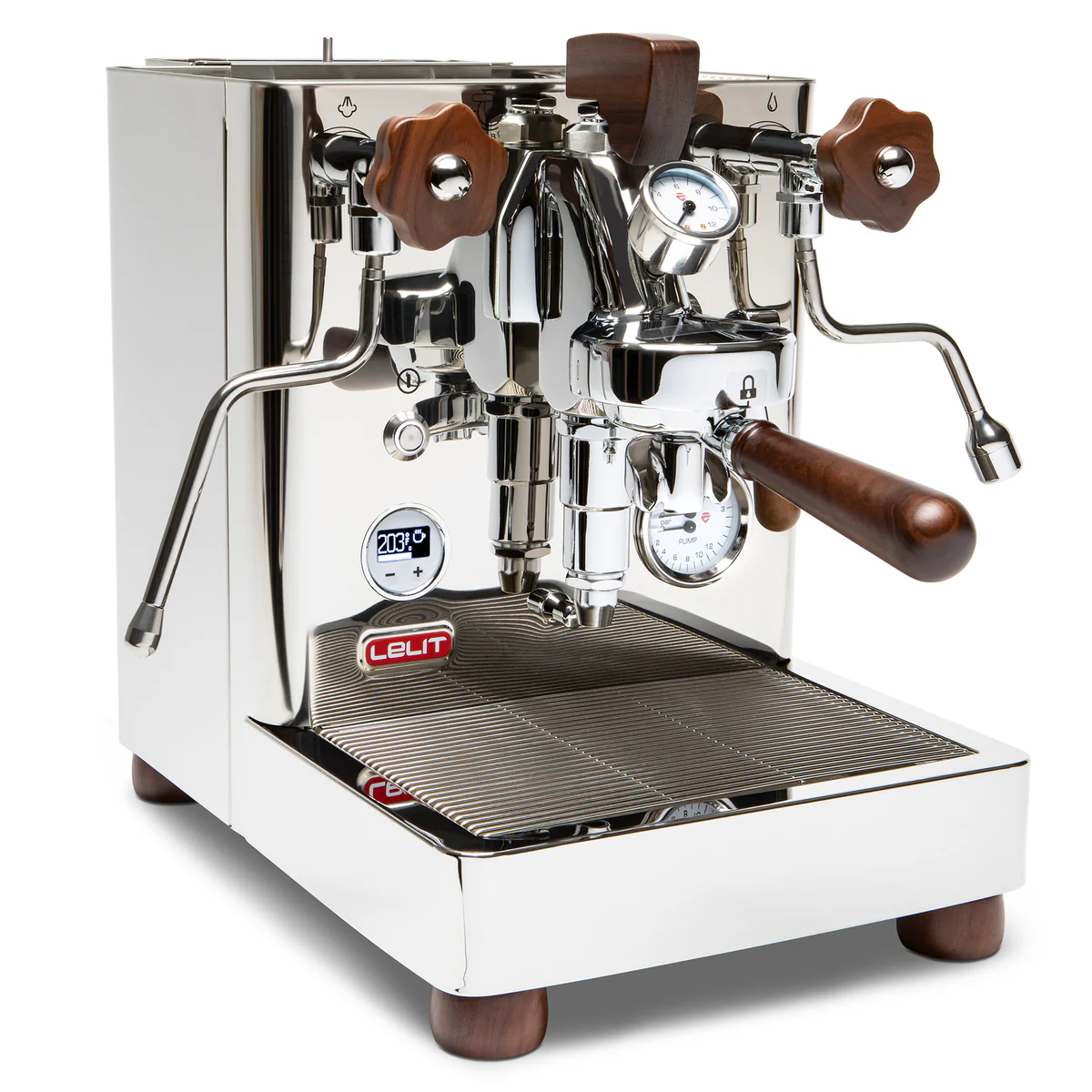
Lelit Bianca V3
The Lelit Bianca V3 is the machine I would recommend to someone who wants espresso to stay tactile. Its paddle changes water flow during extraction, the L58E group manometer shows real extraction pressure, and the movable water tank makes it easier to fit into awkward kitchen layouts.
Lelit's official page describes Bianca as a dual boiler machine designed for thermal stability and for home baristas who want more from each coffee. That matches its reputation: this is a machine for people who like changing variables, tasting the result, and getting better over time.
Pros
- Flow paddle gives real control over pressure and extraction feel.
- Elegant stainless steel and wood-accented design.
- Two separate boilers support brewing and steaming simultaneously.
Cons
- Not the simplest machine for a beginner who wants preset convenience.
- E61 workflow rewards patience and a proper warm-up routine.
- Flow control can become a distraction if your grinder is not dialed in.
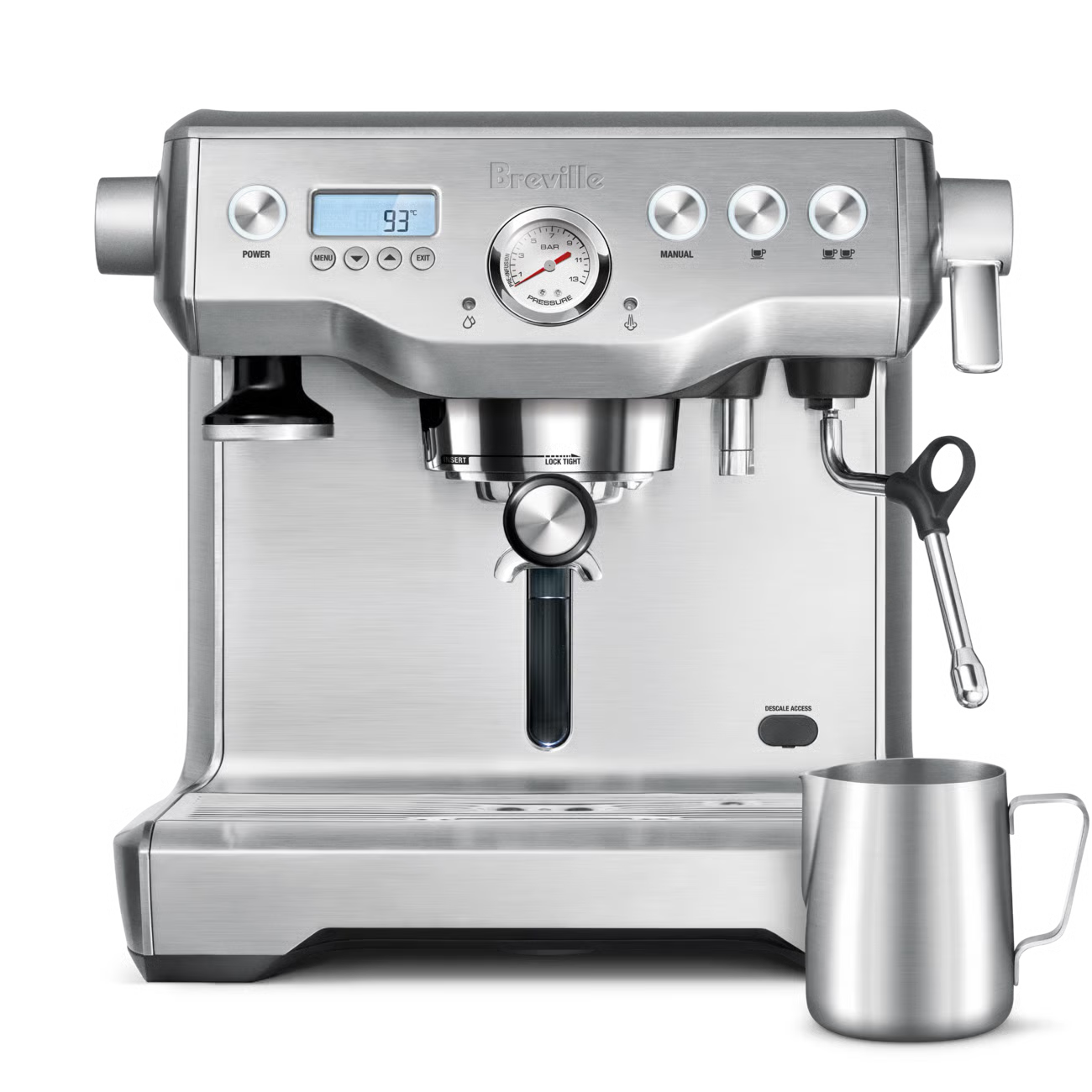
Breville Dual Boiler
The Breville Dual Boiler is the pick I would make for a serious home barista who wants control without jumping into the deep end of E61 ownership. Breville's official page lists it at $1,599.95 and describes a PID-controlled espresso boiler, separate steam boiler, heated group head, and professional 58mm portafilter.
It is less romantic than a chrome prosumer machine, but it is brutally practical. You get programmable shot behavior, fast access to powerful steam, strong temperature control, and a large owner base. Amazon and big-box availability may vary, but Breville's own product ecosystem and retailer support make it easier to research than many boutique machines.
Pros
- Best control-per-dollar pick in this list.
- Friendlier interface than most classic prosumer machines.
- Can brew and steam at the same time without E61 ritual overhead.
Cons
- Less heirloom-feeling than Profitec, Lelit, Rancilio, or La Marzocco.
- Repair culture is different from traditional prosumer machines.
- Still needs a capable grinder to justify the dual boiler hardware.
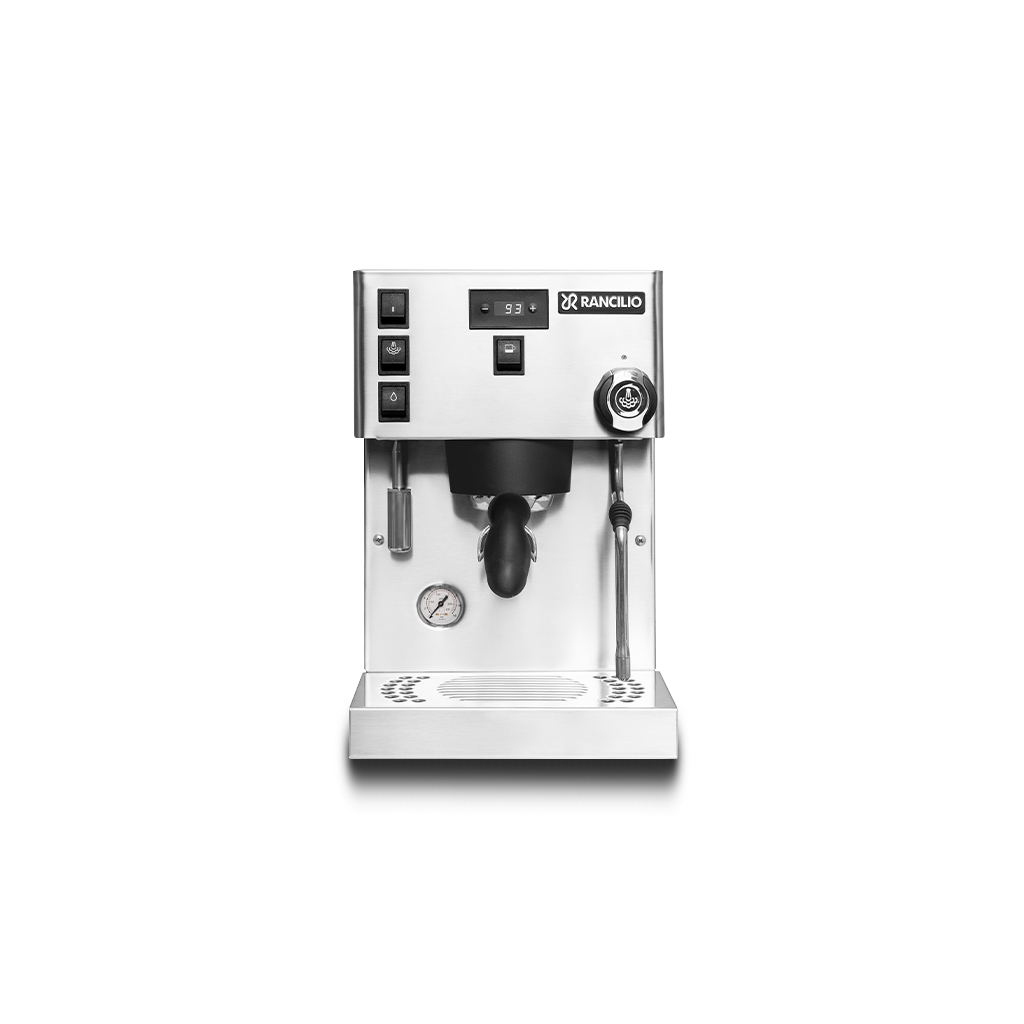
Rancilio Silvia Pro X
The Rancilio Silvia Pro X is the least flashy machine here, and that is part of why I like it. Rancilio describes it as a single-group dual boiler espresso machine for home with two internal PIDs, a digital display, soft infusion, and independent coffee and steam management.
RedditRec's public aggregation shows the Silvia Pro X with 83% positive sentiment across 301 reviews as of July 9, 2026. The praise clusters around durability, repairability, spare parts, espresso performance, and precise temperature control. The complaints are also useful: pre-infusion is not as capable as true flow control, heat-up is not instant, and the drip tray design annoys some owners.
Pros
- Durable, compact, and easier to service than many appliance machines.
- Dual PIDs give real control over brew and steam behavior.
- Strong choice for espresso drinkers who value repairability.
Cons
- Not plumbable, and the reservoir workflow is very much home-machine style.
- Soft infusion is useful but not a replacement for flow profiling.
- Industrial design is more workbench than jewelry.
La Marzocco Linea Micra
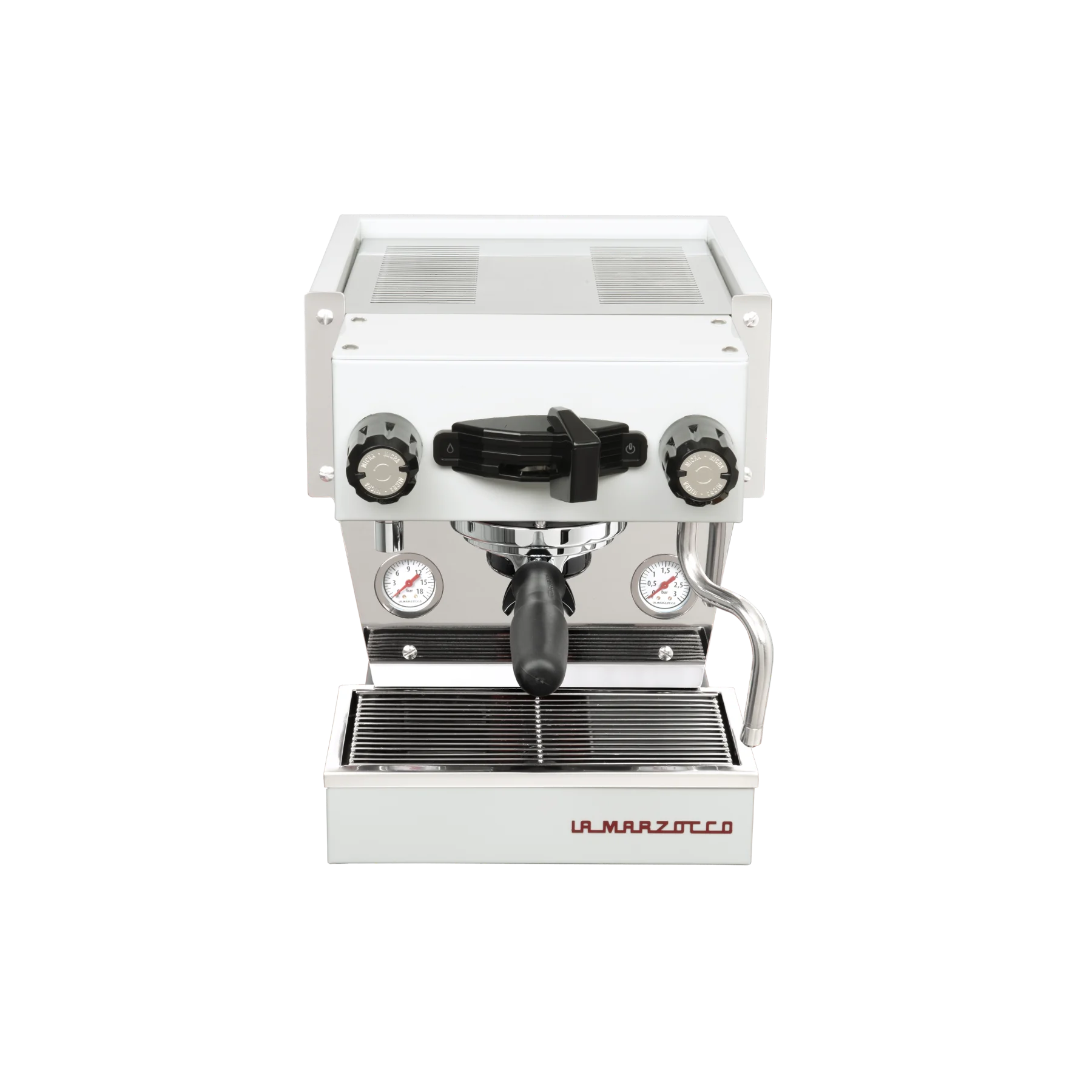
The Linea Micra is not the value pick. It is the machine for someone who wants La Marzocco's cafe lineage in a compact home body and is willing to pay for finish, speed, and brand support. La Marzocco lists the Linea Micra at $4,500, with double boilers, PID control, full temperature control, a 0.25L coffee boiler, 1.6L steam boiler, 2L reservoir, and 42 lb weight.
RedditRec shows 74% positive sentiment across 253 reviews, with praise for very fast heat-up, consistent espresso, powerful steaming, compact size, and robust build. The criticisms are exactly what I would expect: high price, limited cup clearance, no built-in shot timer, and fewer advanced brewing features than some prosumer competitors.
Pros
- Excellent compact luxury build with genuine commercial lineage.
- Fast, consistent, and easy to live with for daily milk drinks.
- Strong brand support and parts ecosystem.
Cons
- Costs more than many machines with more manual control features.
- No flow profiling, and cup clearance is limited.
- Best for people who value refinement over tinkering.
How I chose these dual boiler espresso machines
I did not rank these by who was easiest to monetize. I started with machines that have real owner gravity, accessible documentation, meaningful retailer support, and current public product data. Then I weighed five things: brew temperature stability, steam performance, serviceability, workflow, and whether the price makes sense relative to the features.
I also looked for Amazon signals where they were useful, but Amazon is not the best source for this category. Many serious dual boiler machines are sold through specialty retailers, not through high-volume Amazon listings with thousands of reviews. For that reason, I gave more weight to official pages, Whole Latte Love and Seattle Coffee Gear listings, RedditRec aggregations, and enthusiast owner discussion patterns.
What to look for before you buy
A dual boiler espresso machine should let you brew espresso and steam milk simultaneously, but that is only the entry ticket. Look for PID control, a stable group head, good parts availability, a real steam boiler, a sensible water plan, and a grinder pairing that matches the machine. A $3,000 machine with a weak grinder is not a flex; it is an expensive bottleneck.
Rotary pumps are quieter and often support plumbing. Vibratory pumps are cheaper and common in compact machines. E61 groups feel classic and serviceable, but they tend to reward longer warm-up. Saturated or integrated group designs can feel faster and more appliance-like. None of these choices is universally right; they simply point to different ownership styles.
FAQs
What is the best dual boiler espresso machine overall?
My pick is the Profitec Drive. It combines rotary pump quietness, tank or plumbed operation, flow control, PID temperature control, fast heat-up behavior, and strong serviceability. It is expensive, but the feature set feels coherent rather than ornamental.
Is the Breville Dual Boiler still worth buying?
Yes. It remains one of the strongest values in home espresso because it gives you real dual boiler functionality, PID control, a heated group head, and a friendlier interface for far less than many prosumer machines. It is not the most romantic machine, but it is highly capable.
Should I buy the Lelit Bianca or Profitec Drive?
Choose the Bianca if you want a tactile flow-control machine with a classic E61 feel and elegant design. Choose the Drive if you want a more modern convenience package with fast heat-up programming, rotary pump plumbing flexibility, and a more buttoned-up ownership experience.
Is the La Marzocco Linea Micra better than cheaper prosumer machines?
It is better for speed, finish, compact luxury, and brand ecosystem. It is not better for feature-per-dollar. If you want flow control and tinkering, Profitec or Lelit may make more sense. If you want a beautiful daily machine that just feels sorted, the Micra is compelling.
Do I need a dual boiler if I only drink espresso?
Probably not. If you rarely steam milk, a single boiler, heat exchanger, or high-quality thermoblock machine may be enough. Dual boiler machines make the most sense when you care about temperature stability and milk workflow at the same time.