
My Buying Recommendation
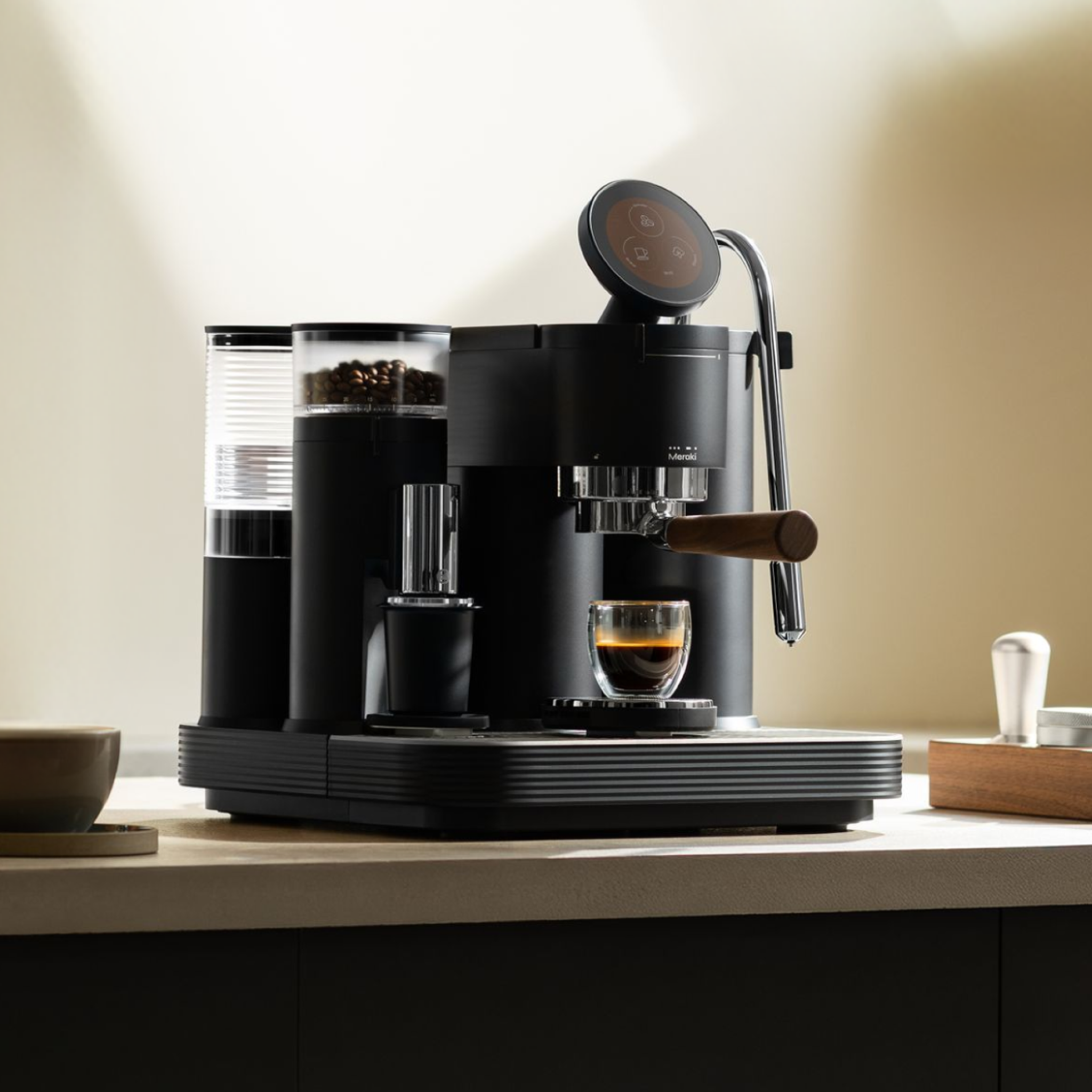
The Meraki espresso machine makes the most sense if you want a serious one-countertop setup: dual boiler, rotary pump, integrated grinder, dual scales, strong steam, and recipe workflow in one body. It is best for someone who enjoys manual espresso but wants fewer separate tools on the counter. I would still buy from the channel with the clearest return path and test the grinder, portafilter fit, steam wand, hot water outlet, screen, and scales immediately. My read is positive, but not casual: buy Meraki for precision and an integrated workflow, not because you expect a maintenance-free automatic machine.
Meraki Espresso Machine Hardware: Dual Boiler, Rotary Pump, Grinder, and Scales
The reason the Meraki espresso machine keeps coming up in serious home espresso conversations is simple: the hardware list looks more like a modular prosumer setup than a typical appliance. Meraki lists a commercial-grade rotary pump, dual boiler system, integrated grinder, dual scales, PID control, touchscreen UI, and an included accessory set built around a 58mm portafilter workflow. That is a lot of espresso machine for one body.
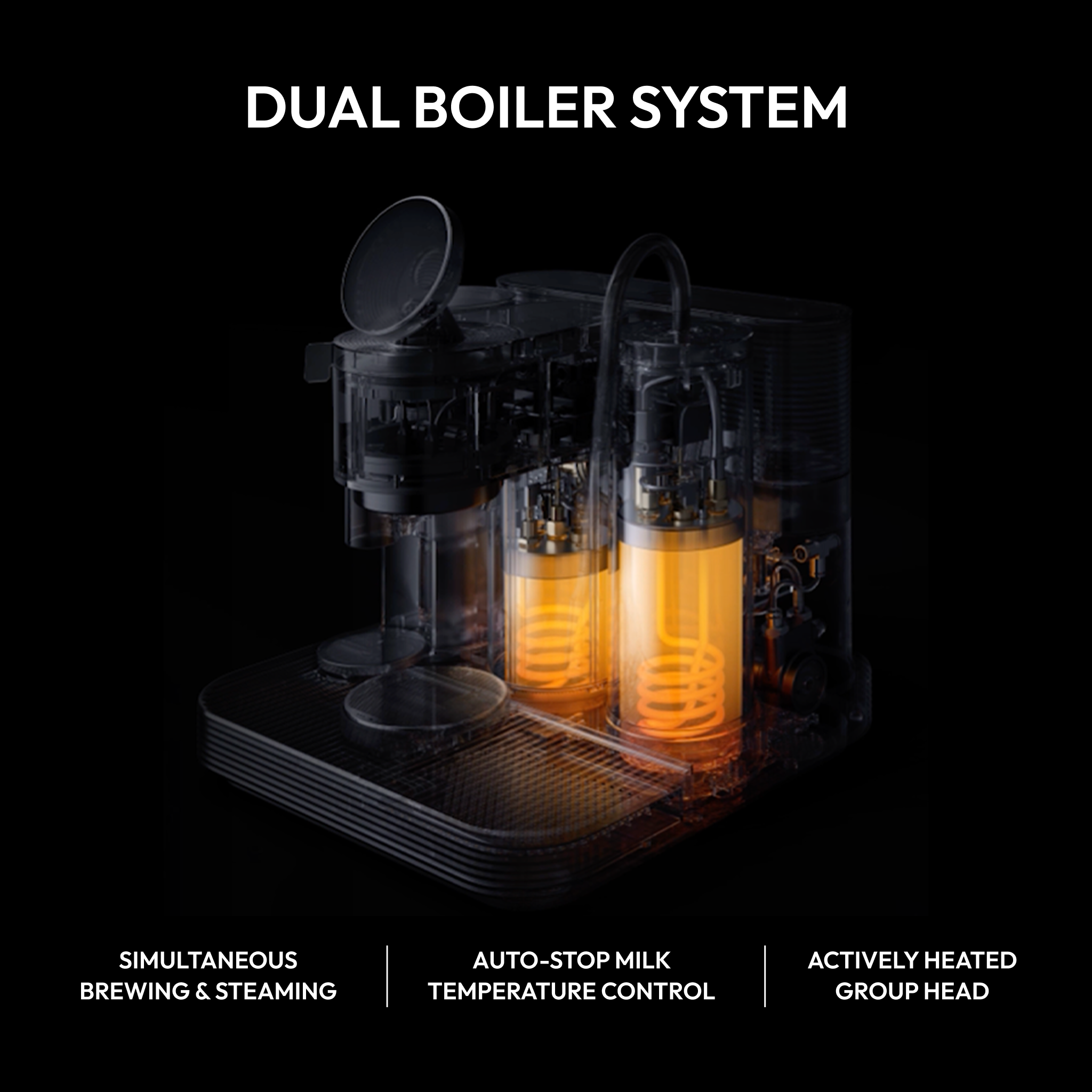
The official collection page describes a 350ml brew boiler and a 550ml steam boiler. That matters because a dual boiler lets the machine brew espresso and steam milk without forcing the same heat system to jump between two jobs. For lattes and cappuccino drinks, that convenience is not just nice; it changes the morning rhythm. You can pull a shot, steam milk, and keep the drink moving while the espresso is still fresh.
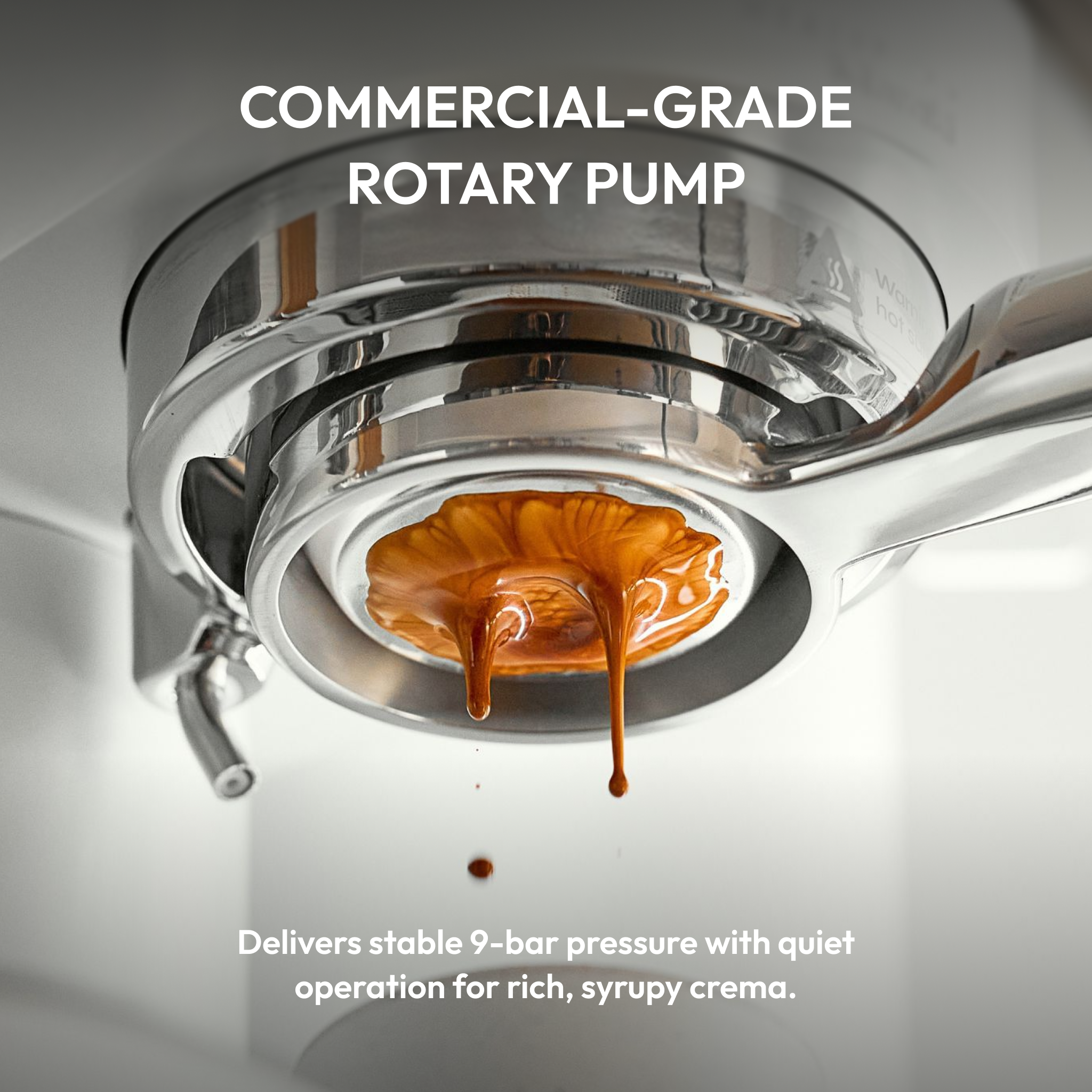
The rotary pump is the other big signal. Many home espresso machines use vibration pumps, which can be loud and pulsy. Meraki says its rotary pump is designed for a constant 9-bar pressure profile, and reviewers consistently call out quiet operation. I care about that because pressure stability affects extraction, but I also care because a noisy machine makes a peaceful morning feel like a shop vacuum with a portafilter.
Integrated Coffee Grinder and Bean Hopper
The built-in coffee grinder is the part that makes the Meraki home espresso machine feel different from a normal dual boiler. Meraki says the espresso grinder uses a conical burr assembly co-developed with Timemore. The official Gen 2 material also describes a wider grinding range with 45 discrete settings, which should help users handle medium roasts, darker blends, and some lighter coffees without immediately wishing for a separate coffee grinder.
That said, an integrated grinder is both the appeal and the risk. I love that the bean hopper, dosing cup, and grind-by-weight workflow can keep the counter tidy. I am more cautious about long-term repair. If the grinder in a stand-alone setup fails, you replace the grinder. If the grinder inside a home espresso machine fails, you are dealing with the whole machine. That does not make the Meraki espresso machine a bad buy; it means the warranty and support path matter more than usual.
Dual Scales and Weight-Based Espresso
The dual scales are the smartest feature here. One scale handles dose under the grinder, and the other handles espresso yield at the cup. Meraki's collection copy says the grind-by-weight scale gives feedback down to 0.2g, while the Gen 2 blog describes built-in precision scale behavior to 0.1g. I would still keep a separate scale around for calibration checks, but for daily brew work the built in scale system is the reason this machine feels less scattered than a traditional setup.
Most people who struggle with espresso are not failing because they lack passion. They are changing too many variables at once. If the Meraki espresso machine can dose coffee by weight, stop a shot by weight, and save recipes, it removes a big chunk of confusion. You still need to taste and adjust. You still need to understand grind size, pre infusion, and extraction. But the scales keep the numbers from drifting.
Steam Wand, Milk Temperature, and Dry Steam
For milk drinks, the steam wand is one of Meraki's strongest selling points. Tom's Guide's Meraki review is useful here because it focuses on the real drink workflow, and Reddit owners also mention fast milk heating. One Reddit owner said the machine could heat 150ml of milk quickly on the highest steam setting, while also warning that the wand takes practice and can drip milk into the tray after steaming.
Meraki includes a milk temperature feature through a temperature sensor or temperature probe, depending on how the source describes it. In plain terms, the machine is trying to help you steam milk without overshooting into scalded territory. That is valuable for lattes because milk temperature changes sweetness and texture. It also helps a newer user learn the difference between thin foam, stiff foam, and glossy microfoam.
How the Meraki Home Espresso Machine Works From Bean to Cup
The Meraki experience is not a push-button superautomatic experience. It is closer to a manual mode espresso workflow with training wheels in the right places. You choose beans, fill the bean hopper, set the grind, grind into the portafilter by weight, distribute the puck with the included coffee distributor, tamp, lock in the portafilter, and brew to a target yield on the cup scale.
That workflow is why I think the Meraki espresso machine is for someone who enjoys making coffee. If you want the machine to do the rest while you answer email, the Oracle Jet or a true bean-to-cup machine may suit you better. If you like the ritual but hate dragging out a separate espresso grinder, separate scale, and milk thermometer, the Meraki home espresso machine makes far more sense.
The first week will still have a learning curve. You need to season the grinder, dial in beans, learn how the portafilter feels, and decide whether the built-in recipes match your taste. For a traditional double shot, I would start with the included 18g basket, use a medium roast, aim near a 1:2 brew ratio, and adjust the grind until the shot tastes balanced rather than simply chasing a timer. Once the shot tastes good, save the recipe and then test how repeatable the machine is the next morning.
Meraki Compares: Breville Barista Touch Impress, Barista Touch, Oracle Jet, and Ninja Luxe Cafe
The cleanest way to judge the Meraki espresso machine is to compare it against machines people actually cross-shop. The Meraki compares well when you value prosumer hardware in one unit. It looks less obvious if your top priority is brand history, guided automation, or the lowest possible cost.
Breville Barista Touch Impress vs Meraki Espresso
The Breville Barista Touch Impress is friendlier. It has a polished touchscreen, guided puck prep, assisted tamping, and a mature appliance ecosystem. For a new user who wants an espresso machine to coach them through the morning, Breville has real strengths.
Meraki espresso wins on hardware ambition. The Meraki espresso machine offers a dual boiler, rotary pump, built-in dual scales, and a more prosumer-flavored approach to manual espresso. The Breville Barista Touch Impress is easier to recommend to someone who wants comfort. The Meraki home espresso machine is easier to recommend to someone who wants precision and does not mind a little learning curve.
Breville Barista Touch vs Meraki Espresso Machine
The Breville Barista Touch is a familiar all-in-one espresso machine with a strong user interface, but it lacks the same built-in dual scales and dual boiler pitch. If you mainly want a convenient cappuccino before work, Breville's polish still matters. If you want to weigh dose and yield inside the workflow, Meraki espresso feels more modern.
Price also matters. The Meraki espresso machine sits higher than many mainstream appliance machines, but lower than many separate dual boiler setups once you add a capable espresso grinder, scale, milk frothing pitcher, tamper, and accessories. WIRED's Meraki review is helpful context if you are weighing whether the integrated setup justifies the cost.
Oracle Jet and Ninja Luxe Cafe
The Oracle Jet is the more automated rival. One Reddit user who liked Meraki's grind-by-weight idea and rotary pump still chose Oracle Jet because they wanted a smoother automated morning. I think that is fair. If automation is the goal, do not buy Meraki just because the spec sheet is beautiful.
The Ninja Luxe Cafe is the budget convenience contrast. It is not trying to be the same dual boiler espresso machine, but it gives people an easier, less expensive path into specialty-style drinks. If you want cafe quality espresso and care about extraction control, Meraki is the more serious machine. If you want occasional lattes with less cost and less commitment, Ninja may be enough.
Product Details, Accessories, and Specifications
Meraki currently sells the Gen 2 Meraki espresso machine in black and white. TechRadar's Gen 2 review is the most relevant outside read for the newer version, especially if you care about the smart workflow and repeatability claims.
| Feature | Meraki Detail | Why It Matters |
|---|---|---|
| Boilers | 350ml brew boiler and 550ml steam boiler | Separate heat systems for extraction and steam |
| Pump | Commercial-grade rotary pump | Quieter pressure delivery and stable brew behavior |
| Grinder | Timemore co-developed conical burr espresso grinder | Integrated grind-by-weight workflow |
| Scales | Dual scales for dose and yield | More repeatable shots without a separate scale for every step |
| Portafilter | 58mm, E61-style compatibility on Gen 2 materials | Better accessory options than many appliance machines |
| Milk | Steam wand with milk temperature assistance | Helps newer users steam milk without overheating |
The box and accessory ecosystem are part of the appeal. Meraki sells or lists a 58mm portafilter, 18g portafilter basket, blind basket, coffee distributor, dosing cup, tamper, bean hopper, milk frothing pitcher, detachable spout, and cleaning accessories. I would verify exactly what is included in your region at checkout. Accessory bundles can change.
What Real Owners and Reviewers Say
The real-world signal is mostly positive but not soft. Tom's Guide tested the Meraki for months and praised the value, dual boiler design, in-built scales, Timemore grinder, steaming power, and included accessories while also calling out mess and cleaning friction. TechRadar's Gen 2 review praised consistent espresso, strong milk steaming, and smart features that support manual coffee making rather than taking over. Popular Mechanics was impressed by coffee quality, quiet brewing, accessories, and consistency over months.
WIRED is the caution I would not ignore. Its review liked the grind-by-weight grinder, powerful steam wand, quiet rotary pump, PID control, heat-up behavior, and aesthetics, but flagged portafilter fit, grind setting feel, and the faith required when buying a direct-to-consumer machine from a young brand. That aligns with the Reddit owner pattern.
On Reddit, the happiest owners mention easy shots, helpful scales, quiet rotary pump behavior, strong steam, and good output. One newer owner said the machine heated quickly and pulled excellent shots after warm-up, while noting the steam wand and drip tray need cleaning attention. Another owner liked the integrated scales and rotary pump but had repeated machine issues and poor service experience. A more negative owner returned the machine after portafilter fit problems, screen blanking, grinder jams, and slow repair communication.
I searched for Amazon review data and X/Twitter posts specific to the Meraki espresso machine. I could not verify a clean Amazon product review page or useful public X post text for this exact product, so I am not using those sources as evidence. The buyer signal here comes from official specs, editorial reviews, Reddit owner comments, and the broader espresso machine comparison landscape.
Pros and Cons
Pros
- Dual boiler espresso machine hardware at a lower price than many separate prosumer setups.
- Rotary pump gives the Meraki home espresso machine a quieter, more premium feel.
- Integrated grinder, bean hopper, dosing cup, and dual scales make the workflow convenient.
- Steam wand power and milk temperature help are strong for lattes and cappuccino drinks.
- Manual mode keeps the espresso ritual intact instead of turning coffee into a black-box appliance.
Cons
- Young brand, so long-term service and parts confidence is not the same as Breville or legacy prosumer brands.
- Portafilter fit and tactile feel come up in both reviewer and owner complaints.
- Integrated grinder convenience creates more risk if the grinder needs repair.
- Cleaning the steam wand, drip tray, and grinder path is still real work.
- CoffeeSense and some smart features may matter less if you do not use Meraki beans.
Who Should Consider This Home Espresso Machine?
I would consider the Meraki espresso machine if you want cafe quality espresso, make several drinks per week, value repeatability, and like the idea of integrated measurements. It is a good fit for someone who wants the satisfaction of a manual espresso machine but wants fewer separate objects on the counter.
I would hesitate if you want a fully automatic morning. Meraki is incredibly easy compared with assembling a separate dual boiler, espresso grinder, scale, and steam thermometer, but it is not effortless. You still have to grind, distribute, tamp, brew, steam milk, wipe the wand, and clean the tray. If that sounds like a pleasure, this machine belongs on your list. If it sounds like a chore, choose something more automated.
I would also hesitate if support risk makes you anxious. The Meraki home espresso machine may be a capable, innovative product, but direct-to-consumer espresso machines require trust. Before buying, I would check the current warranty language, return terms, spare parts availability, local retailers, and whether Meraki support has improved since the owner complaints I found.
Frequently Asked Questions
Is the Meraki espresso machine good for light roasts?
It has the right ingredients for light roasts: PID control, a rotary pump, dual boiler stability, pre infusion, and a wider grinding range on Gen 2. Still, light roast espresso is demanding. Expect to adjust temperature, grind finer, extend ratio, and taste through a few shots before you get sweetness instead of sharpness.
Do I need a separate scale?
For daily use, the built-in dual scales should be enough for most people. I would still keep a small separate scale for checking beans before they enter the hopper, verifying yield occasionally, and troubleshooting if a recipe suddenly tastes off.
What changed from Gen 1 to Gen 2?
Meraki's Gen 2 material emphasizes a preserved rotary pump and dual boiler foundation, independent PID control, a built-in precision scale interface, expanded 45-step grind range, E61-style portafilter compatibility, and a redesigned shower screen. In practical terms, Gen 2 looks like a refinement of grind range, compatibility, and puck saturation rather than a totally different machine.
Is the steam wand good enough for latte art?
Yes, the steam wand appears capable enough for latte art, and reviewers consistently praise its power. The learning curve is in technique and cleanup. Use cold milk, a proper milk frothing pitcher, purge before steaming, stop around your target milk temperature, and wipe the wand immediately.
Is Meraki better than Breville?
It depends what you mean by better. Meraki has more prosumer hardware on paper than a Breville Barista Touch or Breville Barista Touch Impress, especially with the dual boiler, rotary pump, and dual scales. Breville has a longer support history, a friendlier interface, and more mainstream buyer confidence. I would choose Meraki for precision and workflow, Breville for comfort and familiarity.